


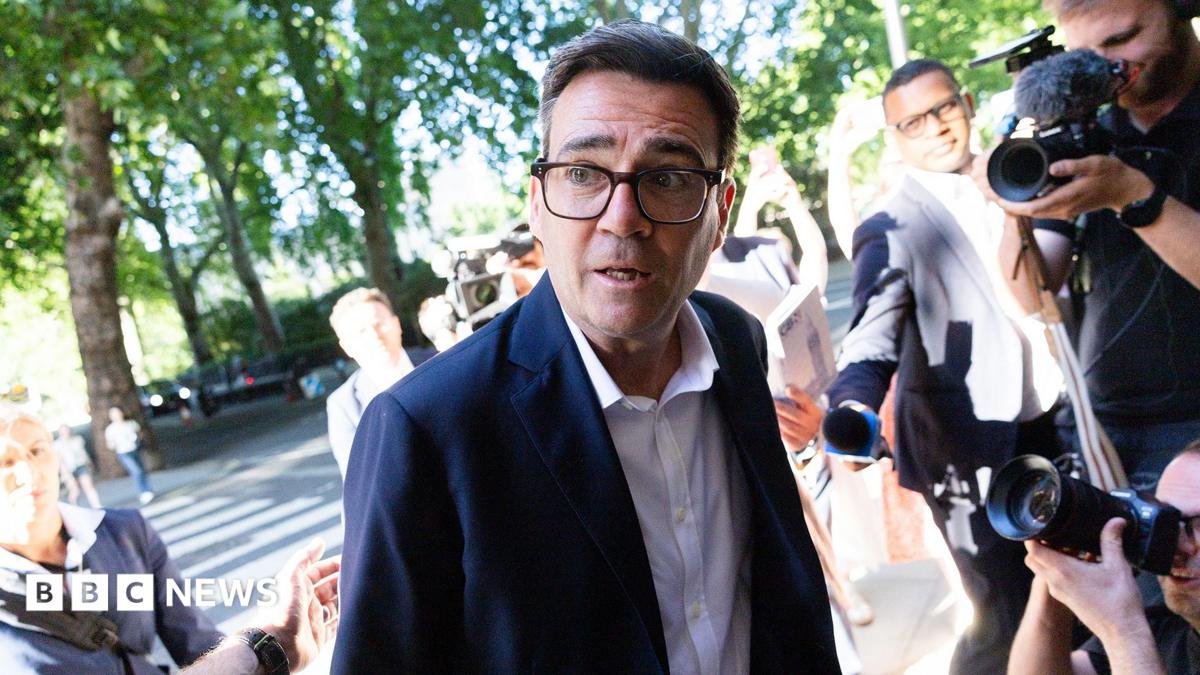

Starmer won a landslide general election victory two years ago – but he began losing public support within weeks of arriving in Downing Street after a series of polcy mis-steps and U-turns.
The final straw for many Labour MPs was when right wing party Reform UK swept the board at local elections in May, leaving many of them fearing Reform leader Nigel Farage would win the next general election.
Burnham had long had ambitions to be Labour leader – but could only challenge for the top job as a sitting MP.
He returned to Parliament a month ago in a by-election, with his victory over the Reform candidate convincing many Labour MPs he was the right candidate to replace Starmer.
Other senior Labour figures – such as former health secretary Wes Streeting – abandoned their own leadership ambitions and got behind Burnham, along with the overwhelming majority of the party’s MPs.
It means he will become Labour leader without a contest.
In the UK, prime ministers are not directly elected, unlike US or French presidents – they are the leaders of the party with the most MPs in the House of Commons.
This means the UK can change prime ministers without an election – something that has happened with increasing frequency in recent years.
Burnham could call a general election when he takes over as prime minister, but appears to have ruled that out.

