



After a half-century wait, the United Kingdom now has an oil fund.
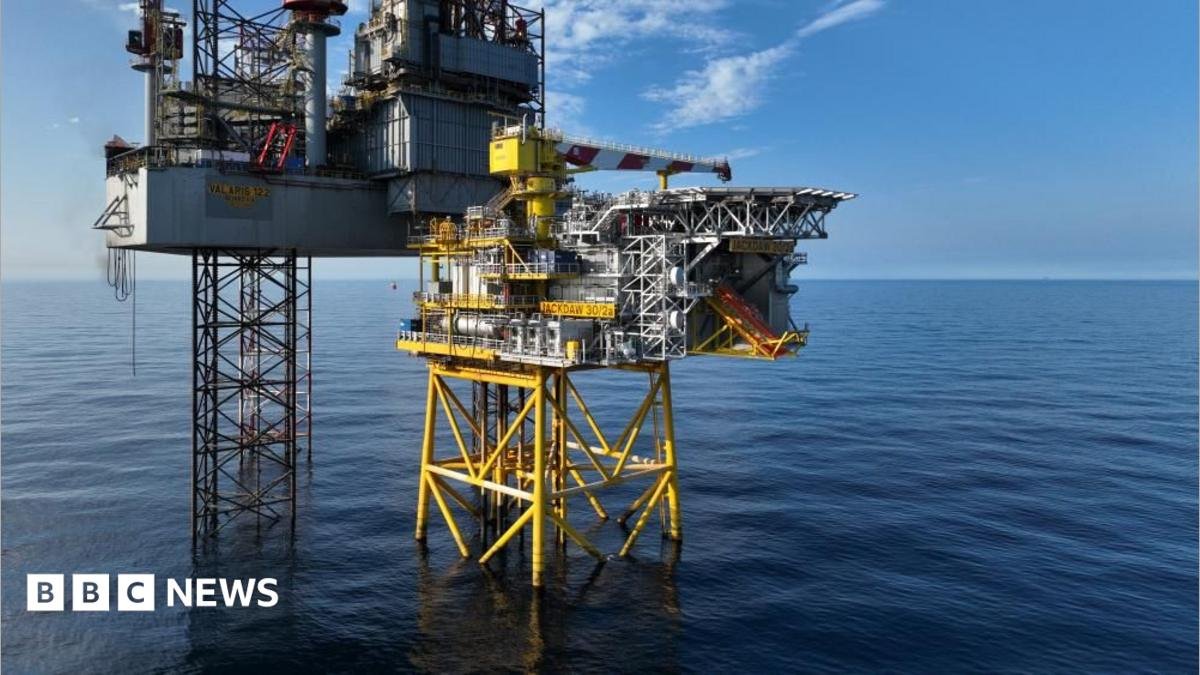
Chancellor John Healey announced the creation of an Energy Wealth Fund at the Jackdaw gas approval announcement on Wednesday, with £2bn of funding diverted from the existing National Wealth Fund.
A selection of energy exporting countries, mainly in the Gulf, but also including Norway, over the years have amassed multi-trillion funds using oil and gas revenues to create epic national piggy banks.
It has been a long-standing debate in UK economic policy circles. If neighbouring Norway has amassed a $2.4tn war chest from the same North Sea, where exactly did the UK’s sovereign wealth fund go?
It is an apposite question on the week when the national debt also hit £3tn for the first time.
“The proceeds of this oil and gas coming ashore now can be invested for the future generations,” the chancellor said.
“If we had done this when North Sea oil was first discovered in the 1980s, we’d have a British Sovereign Wealth Fund now that would be worth probably a trillion pounds.”
On Wednesday, for the first time, Treasury officials actually calculated how much that missing British fund could have been worth.
The trillion pound number comes from internal Treasury modelling. The assumption was that the UK’s historical North Sea receipts of £200bn had been invested, with no withdrawals and grown at a rate comparable to Norway’s.
“Norway demonstrates the power of long-term investment: the government wants to learn from that principle, rather than copy its model wholesale,” one insider told me.
It was a “missed opportunity” which “had we systematically invested those receipts, we could have built a huge national asset for future generations”, they said.

