



Speaking to the BBC about the ICC’s investigation, Khan said: “We have now found concrete evidence that links what is happening on the ground through linkage evidence to specific persons in leadership mode.”
However, she did not give a timeline on when charges might be brought against those responsible for the atrocities in the war, which began in April 2023.
“We cannot say how quickly or how long it’s going to take,” she said.
“But we can say that progress has been significant and that we have achieved a breakthrough.”
The ICC, based in the Dutch city of The Hague, is a global court with the power to bring prosecutions for genocide, crimes against humanity and war crimes.
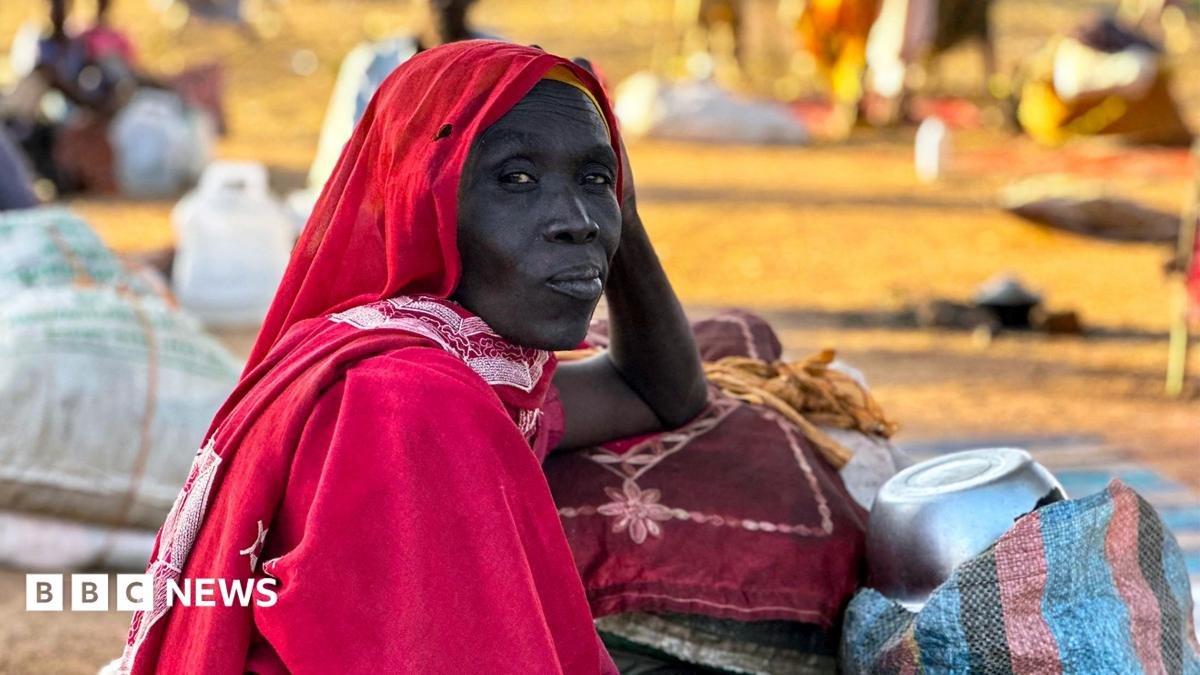
Khan spoke to the BBC after visiting refugee camps in eastern Chad, where those who had fled the fighting in Darfur told her of the atrocities they had suffered.
Tens of thousands of people were forced to leave their homes in el-Fasher and the UN said the violence there bore the “hallmarks of genocide”.
The RSF has denied widespread allegations that killings in the city were ethnically motivated and follow a pattern of the Arab paramilitaries targeting non-Arab populations.
The group insisted the scale of the atrocities had been exaggerated but acknowledged that some violations had occurred in the city.
Shortly after the capture of el-Fasher, RSF leader Gen Mohamed Hamdan Dagalo said the group was investigating any atrocities. The probe is ongoing, the RSF said recently.
The UK’s Human Rights Ambassador, Eleanor Sanders, recently warned the city of El-Obeid could face atrocities similar to those seen in el-Fasher last year.
The UN’s Human Rights Council on Monday ordered an urgent investigation into alleged crimes committed during the fighting in el-Obeid.

