


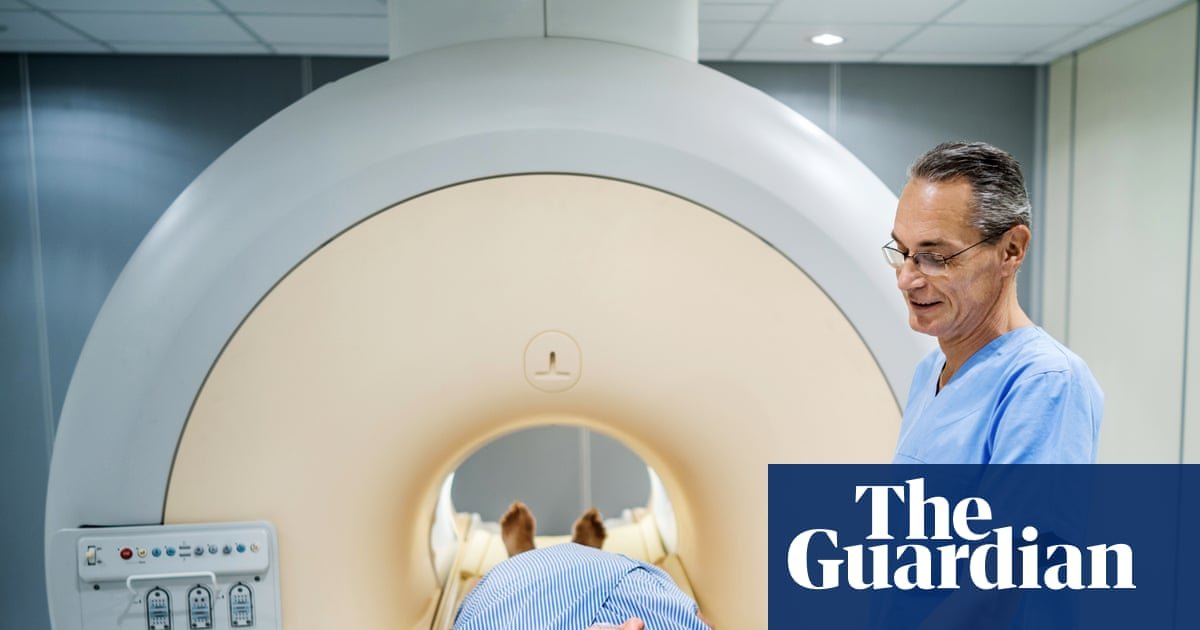

A record number of people are waiting for a diagnostic test on the NHS, triggering fears that delays in accessing CT and MRI scans could endanger patients’ health.
A total of 1.92 million patients in England are waiting to have a test to diagnose their illness such as by an ultrasound scan, assessment of their hearing, bone scan or various tests for cancer.
Demand for tests is outstripping the NHS’s ability to meet it and one in five of those on the waiting list – more than 400,000 people – are having to wait longer than the supposed six-week maximum, an analysis of diagnostic services in England has found.
The rise in the waiting list for diagnostic tests contrasts sharply with the NHS’s recent success in cutting the backlog for planned hospital care to 7.1 million, which was 500,000 fewer than in July 2025.
A report by the health technology firm Magentus also reveals that:
It also found that people who live in the parts of England with the longest waiting lists face unusually long delays to get a cancer diagnosis or access treatment for heart problems. For example, people living in integrated care board areas with the highest proportion of patients waiting more than six weeks for a test are almost six times more likely to not get diagnosed with cancer within the NHS’s 28-day target.
The Patients Association voiced deep unease at the situation and warned that patients’ health can deteriorate while they are waiting to have the diagnostic test needed to kickstart their treatment.
“A diagnostic test is not the end of a patient’s journey – it is the beginning. Without it, treatment cannot start, conditions deteriorate, and what might have been caught early becomes something far harder to treat,” said Rachel Power, its chief executive.
“When more than one in five patients is waiting beyond the NHS’s own six-week maximum, and median waiting times have risen by more than half since before the pandemic, that is deeply concerning for patients’ health.
“Every week of delay is a week a condition can worsen, a patient’s ability to live day-to-day can diminish, and their anxiety about what is wrong can grow,” she added.
Marlen Suller, Magentus’s managing director for clinical diagnostics, said the NHS was unable to cope with the rising demand for diagnostics that the ageing population, the growing number of people living with long-term health conditions, and the push for earlier diagnosis of disease was driving.
The 1.92 million people on the waiting list in March included large numbers who were waiting for an ultrasound scan (674,100), MRI scan (394,913) or CT scan (207,524). It is growing even though the NHS is carrying out record numbers of tests and scans – 2.61m that month alone.
“It can be difficult to see patients waiting for a test to explain their symptoms, knowing the stress and anxiety that can create for them,” said Erika Denton, a professor of radiology at the Norfolk and Norwich NHS trust, one of the experts who contributed to the report.
A test result can bring the reassurance of an all-clear or expedite the patient’s treatment, she added.
“It is also frustrating for staff, who are working incredibly hard every day to meet rising demand, yet continue to see waiting lists increase.”
Suller urged NHS bosses to overhaul diagnostic services. They must make better use of existing capacity, test patients faster, give them clearer information and use financial incentives to drive improvement, she said.
NHS England did not respond directly to the findings.
“Latest figures show that the NHS delivered more tests, checks and scans over the last financial year than at any point in its history with 29.9m diagnostic procedures delivered from 170 community diagnostic centres, which provide important diagnostic tests nearer to people’s homes,” a spokesperson said.
“We are determined to keep up progress in bringing waiting times down and that’s why we’re making it easier to access diagnostic tests with new, expanded or enhanced community diagnostic centres available to patients across England.”

