



Secondary schools in England will be given more freedom to offer teenagers creative and technical subjects at GCSE level in a major shake-up of the curriculum.
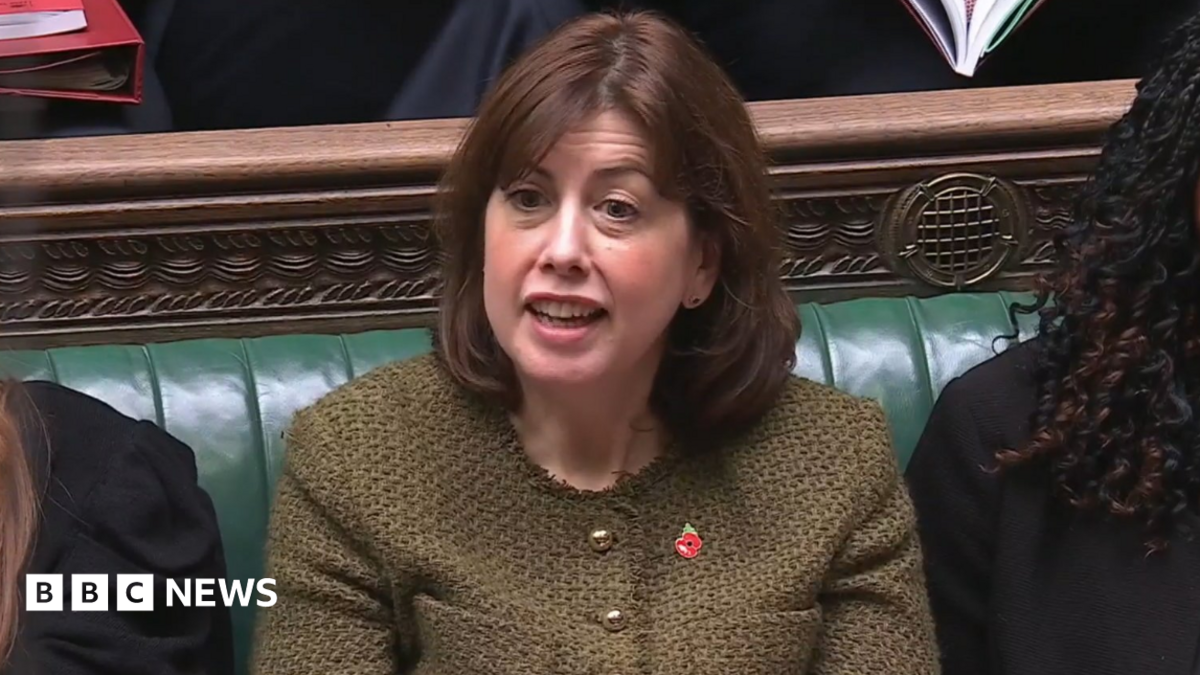
Education Secretary Lucy Powell said the revamp would widen routes to success so young people could “find their passions”.
Pupils will still be expected to study maths and English, with science given a bigger place, under the plans to be published on Monday.
Speaking on the BBC’s Sunday with Laura Kuenssberg programme, Powell said the curriculum had become too narrow under Conservative governments – but shadow home secretary Chris Philp accused her of “dumbing down” the nation’s education.
Powell’s plans will see pupils studying subjects from at least two out of four areas – humanities and social sciences, creative subjects, technical-vocational learning and languages.
This means they could choose not to study some key humanities subjects like history, geography or learning a foreign language if they pick creative or technical options instead.
The changes go significantly further than proposals from a review carried out last year for the government.
Powell said she wanted to reverse what she called a collapse in creative and vocational subjects, refocusing on fundamentals to help pupils master the basics.
“Yes, we’ve made real progress in recent years with standards in our schools, but the increasingly narrow view of what ‘good’ is has left too many behind and has not equipped enough young people to enter the modern economy they’re going into,” she said.
“We’re now going to make those measures much broader so that young people have more pathways to success and can really find their passions, find their curiosity and become lifelong learners as well.”
Powell indicated that including more new qualifications did mean some reductions in subjects including science and geography, which she said had become “very overcrowded”.
Pressed on whether she was “dumbing down” the education system, as the Conservatives have claimed, Powell said she wanted to be “a tiger mum for the whole country”.
“This is about raising standards in more subjects and giving young people more pathways and more options for success,” she added.

