


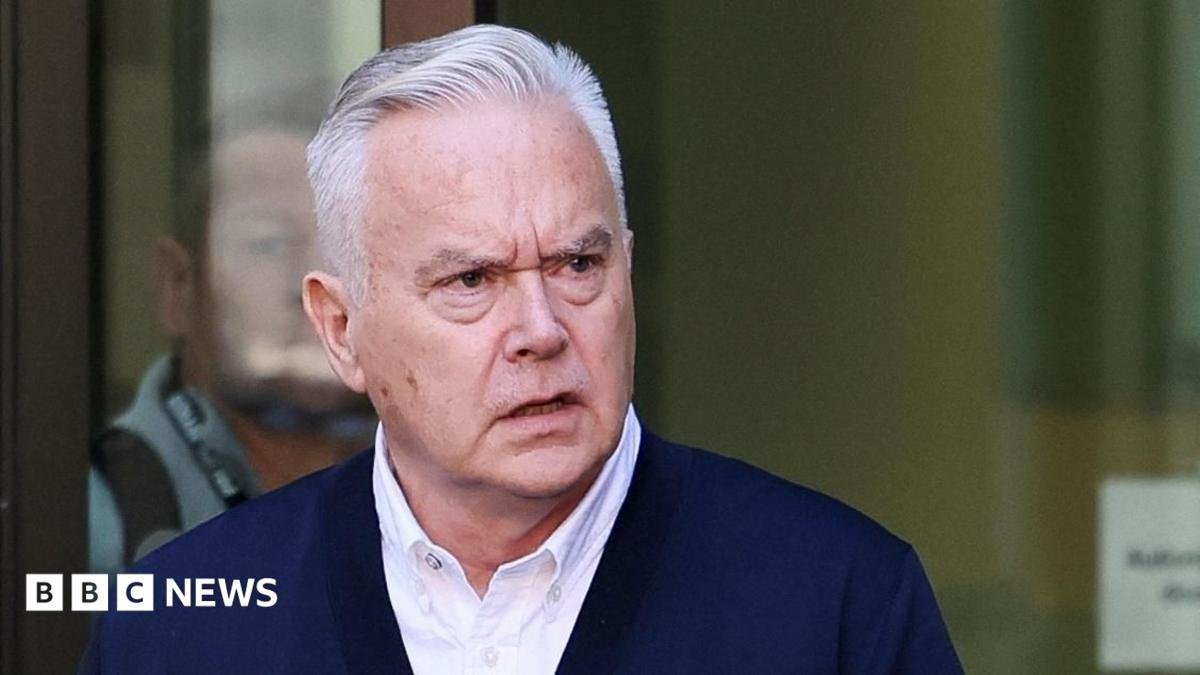

The disgraced former BBC newsreader Huw Edwards has said he sometimes wishes he had not pleaded guilty to making indecent images of children.
In his first interview since his 2024 conviction, he also said he would not pay back £200,000 the BBC has requested from him, unless the corporation acknowledges his service and restores programmes to its archive that he appeared on.
The 65-year-old told the Observer newspaper: “Do I wake up some days and wish I hadn’t [pleaded guilty]? Yes. Of course I do.
“But I’ve got to put myself back in the shoes I was in then – family in great distress, my mum really upset, and I just thought ‘I’ve got to put a stop to this’.”
He continued: “And I was prepared to say I’m guilty because I did click on the files, you know?”
Edwards, who had been the BBC’s most senior news presenter, was given a suspended six-month prison sentence in July 2024 after pleading guilty to three counts of making indecent images of children.
He admitted having 41 indecent images – including seven of the most serious category, with one video showing a victim aged between seven and nine years old.
Edwards was sent the images on WhatsApp by convicted paedophile Alex Williams, then aged 19.
Asked by the Observer why he had not reported Williams to police after receiving the material, Edwards said: “I didn’t even consider it as an option – and I’m ashamed to say it but I might as well be honest about it… I should have done it, but I wasn’t thinking in those terms. I’m thinking in terms of survival.”
By clicking on the images, he said he had been “complicit in this horrible trade of people”, adding: “That bit absolutely kills me.”
The BBC has asked the former presenter to repay the £200,000 in salary that he was paid between his arrest in November 2023 and his resignation five months later. So far he has refused to do so.
BBC chairman Samir Shah said in 2024 that Edwards was the “villain of the piece” who “acted in bad faith” when he knew what he had done but still took licence fee money.
Edwards told the Observer he would not pay back the money at the moment.
“I just thought, you know, ‘You really think I’m gonna hand you two hundred grand if you’re calling me a liar in public?’ I mean, forget it.”
Edwards denies this interview is an attempt to rehabilitate himself, but he will also appear on a Channel 4 documentary, titled Huw Edwards – Guilty, to be broadcast next week.
The interviews have been heavily criticised by politicians and sexual abuse charities.
The prime minister’s spokesman said on Friday “we have no interest in hearing” what Huw Edwards has to say.
And in an open letter to Channel 4, a coalition of charities, sexual abuse victims and the broadcasting union told the broadcaster: “Giving airtime to a convicted child sex offender is irresponsible journalism.”
In an editorial published alongside the interview with Edwards, the Observer said there was a “public interest in re-examining his story”.
Louisa Compton, Channel 4’s director of news, said there was a clear public interest in confronting Edwards in a documentary. “Nothing about making this film diminishes the seriousness of that harm, nor does Edwards’ participation entitle him to sympathy, redemption or rehabilitation.”
At his sentencing the court heard that Edwards was sent a video in August 2021 showing a boy aged seven to nine being abused. He replied asking where the video was from.
When Williams then said the subject was “quite yng looking”, Edwards responded that it “can be deceptive” and asked if he had “any more?”
Williams, who he was in contact with over a three-year period, said he did but they were illegal. Edwards then replied “Ah ok don’t.”
The prosecution also told the court that police were unable to find the phone on which he viewed the material. The court heard that while Edwards communicated on platforms other than WhatsApp with Williams, police could not access any conversations or images that might have been sent on these.
He also didn’t answer any of the police questions when he was arrested but just gave them a statement about his mental health issues.
Edwards remains somewhat defiant in the face of what the judge called “extremely serious offences”, telling the Observer: “The fact that I’ve been convicted for a crime doesn’t erase your achievements in broadcasting.”

