


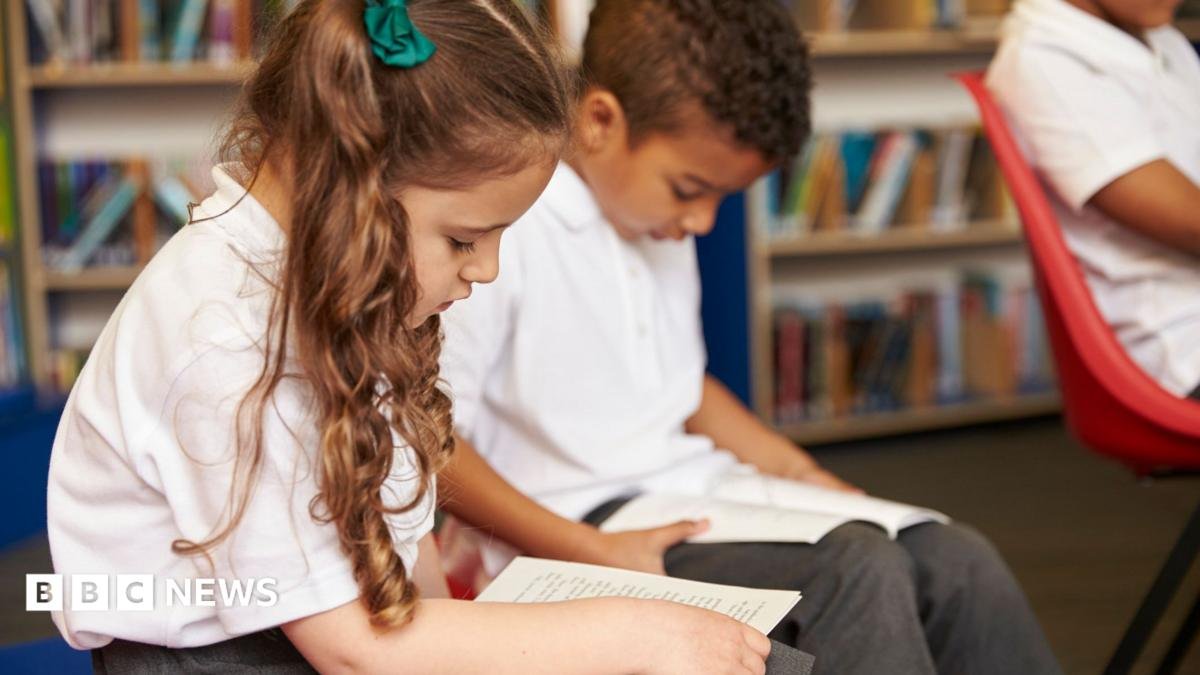

Schools in England will be expected to set aside regular time for students to read for pleasure under changes to the national curriculum.
Primary schools will have to allocate time every day for children to read and secondary students will be given time every week to focus on entire books, poems and literature, the Department for Education (DfE) said.
Education Secretary Lucy Powell is poised to unveil the plans in Parliament on Monday, framing them as part of a larger effort to address the “ticking time bomb” of declining literacy rates.
The push to boost reading rates will also help with the “battle for attention with mindless scrolling”, the DfE said.
Schools will need to comply with compulsory phone bans from June in a bid to reduce the screen time of children and teenagers.
The DfE statement continued: “Reading enjoyment and daily reading levels remain too low, particularly among disadvantaged children and boys.”
Year 8 students will undergo a mandatory reading check to identify students who need additional help.
The government will also unveil a new target to halve the reading disadvantage gap by 2035, with a new goal to see at least 80% of students meet their expected standard in reading.
Powell said reading would be placed at the centre of the curriculum shake-up.
Explaining the changes ahead of Monday, Powell said: “Across the world, we are seeing a ticking time bomb for our future generations, as reading and literacy levels are falling with too many children seeing reading as a chore or missing out altogether.
“Reading fluently is the gateway to lifelong learning, opening up every subject in school and creating opportunities throughout life.”
Broader changes to the curriculum come after two reviews that found pupils were becoming increasingly disengaged in their early teenage years, impacting attendance and achievement, the Department for Education (DfE) said.
Secondary schools have been told not to teach GCSEs early, with the government seeking to promote a “richer, more engaging” experience at Key Stage 3.
The curriculum overhaul is the first to be introduced in more than a decade since former Conservative Education Secretary Michael Gove brought in reforms focused on encouraging students to engage with the “core knowledge” of facts and principles.

