


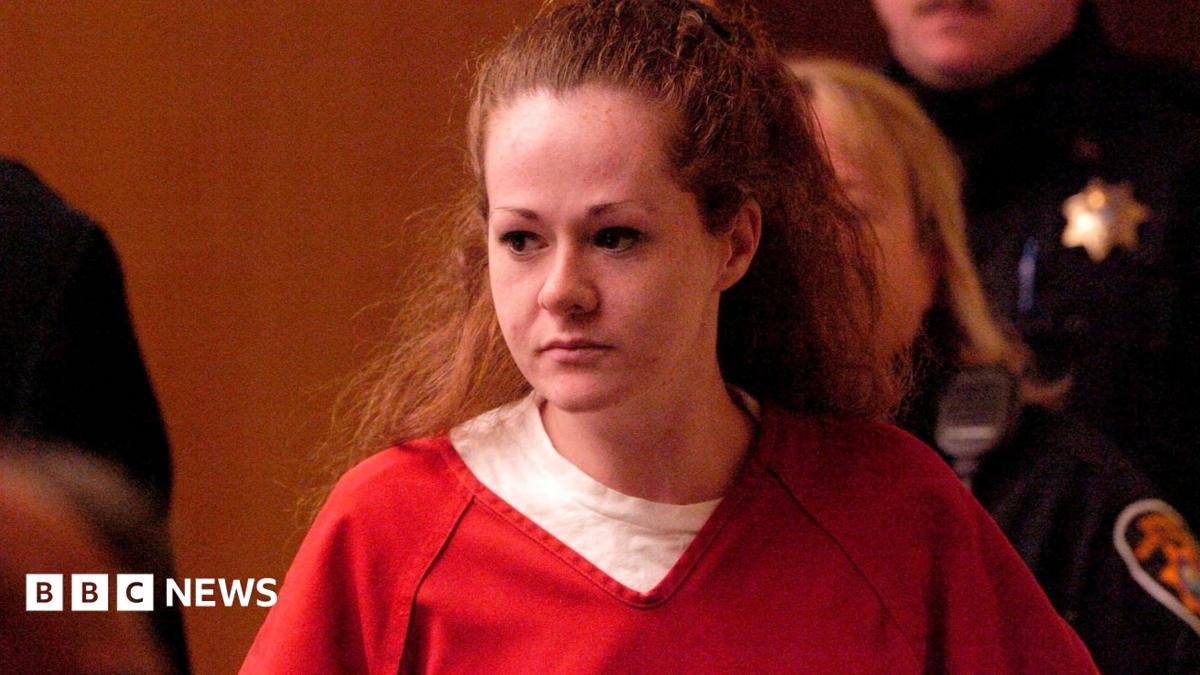

The Tennessee correction department said Pike had been taken to an off-site medical facility, while one of her lawyers said on Wednesday that she was being given “life-saving measures” in hospital.
On Thursday, lawyer Randy Spivey told reporters: “We don’t have a sense of her prognosis or much update on her health at the moment.”
Dr Joel Zivot, a professor at the Emory University School of Medicine, told the BBC in an email: “It’s very possible that as a consequence of the delay of the beginning of resuscitation she [Pike] will have a brain injury.”
Historically, the US Supreme Court has not halted second attempts at executions, said John Mills, a lawyer who works with inmates sentenced to death.
In 2024, it allowed Alabama to proceed with a second execution of Kenneth Eugene Smith, using an experimental oxygen deprivation method, after their attempt to kill him by lethal injection failed two years earlier.
A notable Supreme Court case from 1947 allowed the state of Louisiana to try a second electrocution of Willie Smith, a teenager whose first execution attempt failed when he was 17 years old.
The court found a second execution would not violate the Constitution’s prohibitions against double jeopardy or cruel and unusual punishment and Smith was executed aged 18.
“If the question is, is it likely the federal courts would intervene in a second attempt? I’m afraid the answer is a resounding no,” Mills said of Pike’s case.

