




In summary
- The Pixel 10 is a great phone, but the Pixel 9a is better value
- Camera setup is broadly the same
- £300/$300 difference tough to justify
I’ve been using all three of Google’s Pixel 10 phones over the past week or so (the Fold will follow a little later), with most of my attention going to the standard model.
The Pixel 10 is the model most people will be interested in, and with good reason. Despite costing £799/$799, it’s as fast as the £1,199/$1,199 Pixel 10 Pro XL, with a similarly premium design and all but identical software.
Not only that, but it also now has a dedicated telephoto camera. What’s more, arguably the biggest hardware addition to the entire range – Qi2 charging – is available on the Pixel 10 too.
Make no mistake: the Pixel 10 looks like a good deal when you’re looking at the rest of the range. However, I’d argue that it looks a little worse when performing a 180 and looking below it.

Chris Martin / Foundry
Look out below
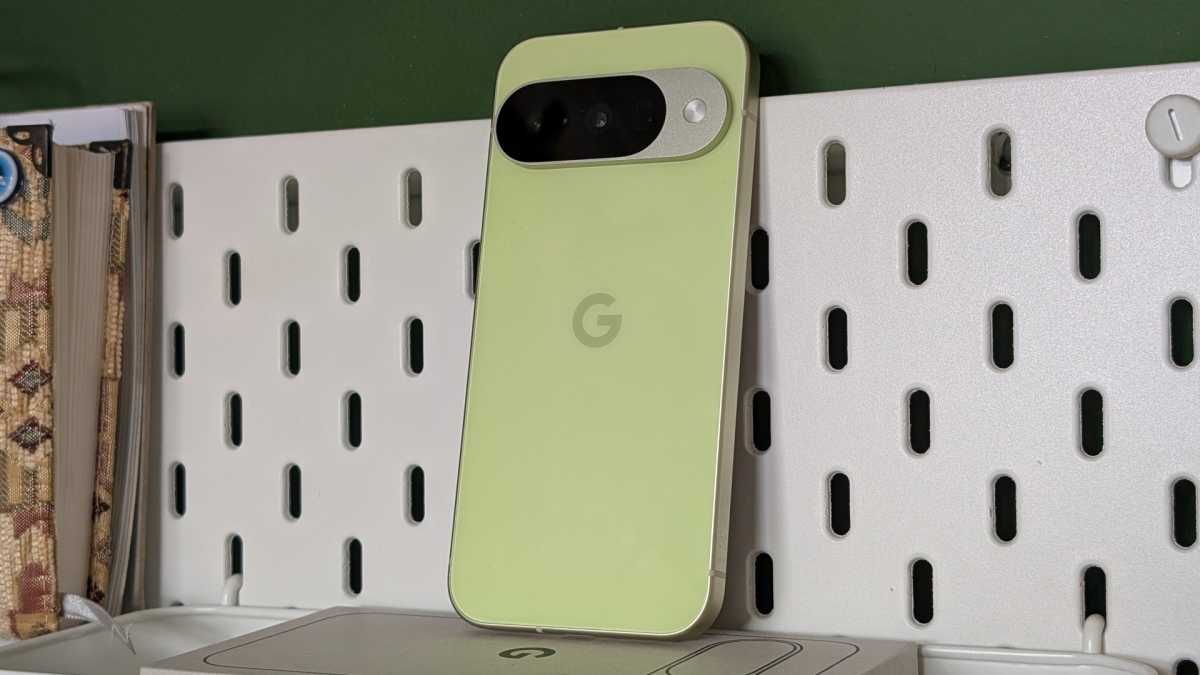
Immediately below is where the Google Pixel 9a lives, and I’d argue that the Pixel 10 makes a very strong case for the cheaper phone being the best buy for most people.
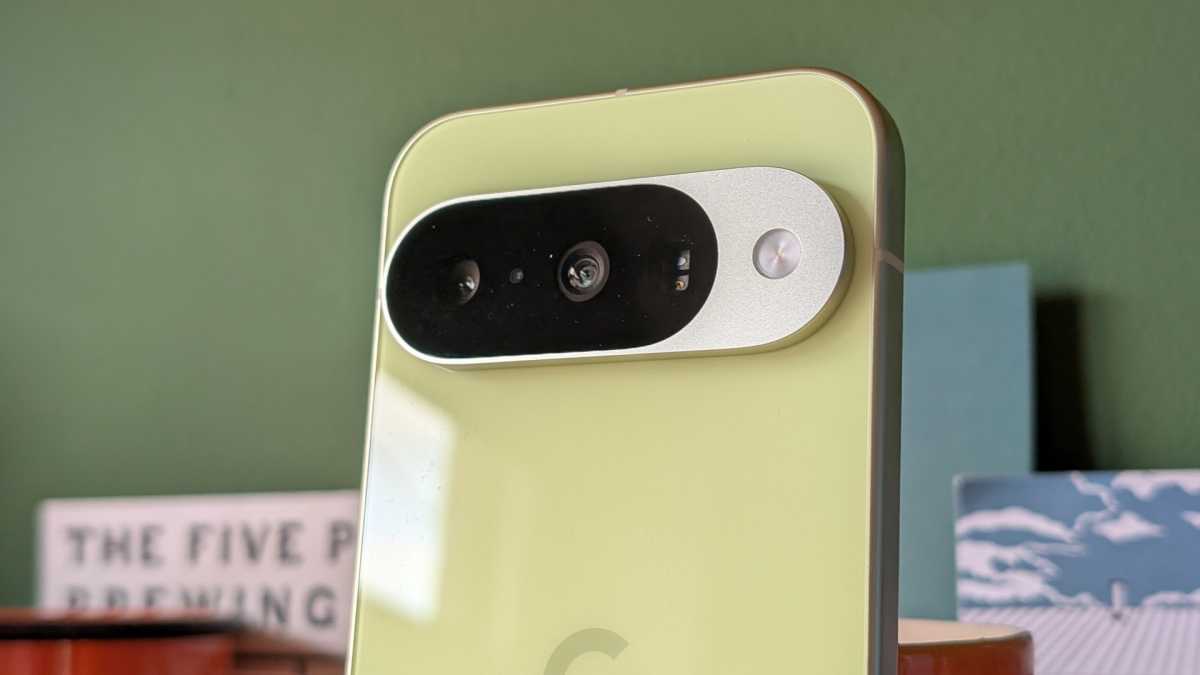
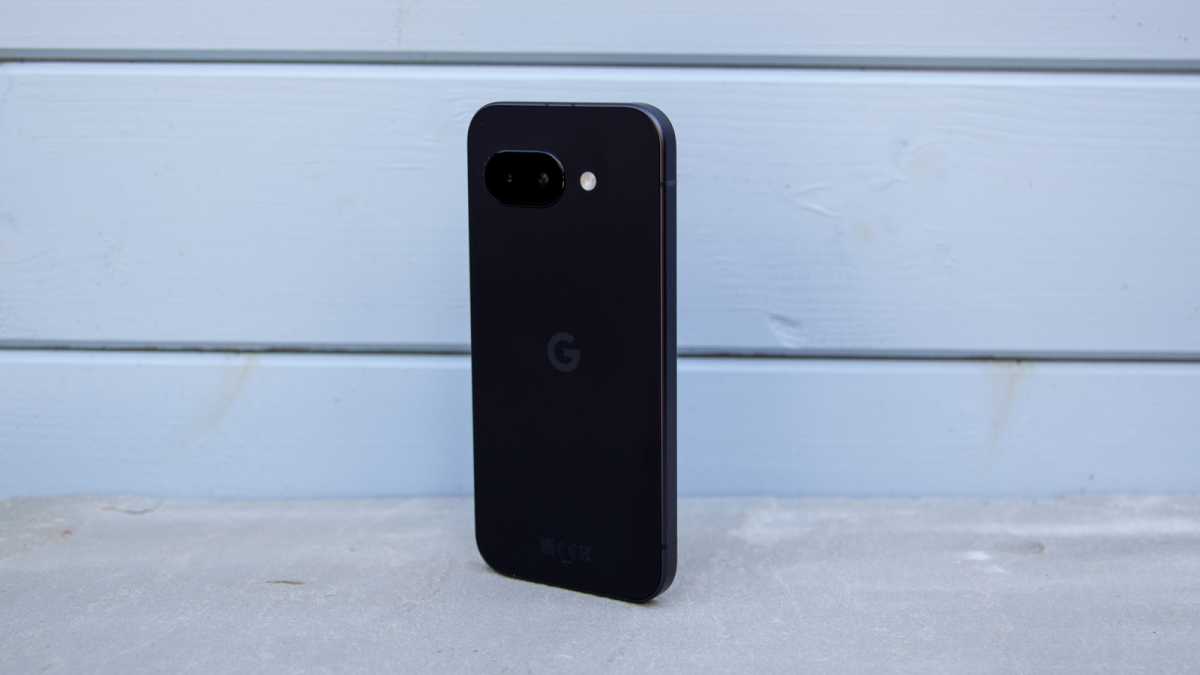
Aside from a rather ugly camera module and the use of plastic on the Pixel 9a’s rear, the design is very similar between these two phones. Both are rated to IP68, which means they’re similarly dust and water-tight.
It’s nice to have the extra brightness of the Pixel 10’s display, but there isn’t a huge difference here – certainly not as much as there is between the Pixel 10 and Pixel 10 Pro displays. The latter is a more efficient LTPO panel that can get both sharper and brighter.
The Pixel 10 has the performance advantage, with that Tensor G5 chip providing a noticeable uptick in snappiness. I’d argue that this, alongside that Pixelsnap/Qi2 implementation, is the biggest argument for choosing the Pixel 10.
Chris Martin / Foundry
Pixel 10 vs Pixel 9a – a snap decision
You may ask why I’ve left that extra camera out of my deliberations. While it’s true that the Pixel 10 takes much better zoomed shots than the Pixel 9a, this simply doesn’t matter all that much to me.
When it comes to mobile photography, left to my own devices (as in, when I’m not reviewing a phone), I will barely touch the secondary cameras on whatever phone I’m using. Generally speaking, I want to use the largest and best sensor at my disposal to capture the view I presently have. This invariably means the main or ‘wide’ camera.
With the Pixel 10’s new telephoto camera removed from (or at least diminished within) the equation, attention turns to the rest of its photographic provision. And those remaining two cameras are basically identical to the Pixel 9a setup.
Google has actually downgraded its Pixel 10 camera offering in order to facilitate the telephoto camera. The Pixel 9 came with the same 50Mp main camera and 48Mp ultrawide as the Pixel 9 Pro, not to mention the Pixel 10 Pro. They’re simply bigger, better sensors.
While I’ve been impressed with how well those sensors acquit themselves compared to the Pro models – both in the Pixel 9a and the Pixel 10 – the fact remains that they’re not as good.
That becomes more apparent in challenging lighting conditions when detail is inferior and shutter times are extended. It’s also clear when shooting close-up subjects, when the sharpness of the subject and the background bokeh effect are noticeably better with the Pro camera set-up.
Chris Hall / Foundry
Decision time
The Pixel 10 is an excellent phone that does everything you could want with considerable panache. I appreciate the increased responsiveness supplied by its Tensor G5 chip, and being able to use my iPhone MagSafe charger for convenient charging is an added luxury.
But are those extra factors worth a £300/$300 premium? The Pixel 9a gives me most of the same experience – and in particular a very similar camera setup – for significantly less money.
Google’s latest affordable option was our top value smartphone pick when it hit the market in April. Following the launch of the Pixel 10, I’d say that case has only been strengthened.


