




The RISC-V architecture is making significant strides in the PC industry, signaling a new era of innovation and competition. While its performance currently trails behind older Intel processors and even some Raspberry Pi models, the RISC-V ecosystem is evolving at a rapid pace, Jeff Geerling explains more. The emergence of boards like the Jupiter, a RISC-V mini-ITX motherboard, exemplifies this trend, offering features that bring RISC-V closer to mainstream adoption.
The Jupiter motherboard showcases the progress made in RISC-V hardware, with features like: Front panel I/O for easy connectivity, ATX power input for compatibility with standard power supplies and PCI Express slot for expandability. These features, combined with the board’s use of the Spacem MIT M1 chip, which features eight cores running at 1.8 GHz, make the Jupiter a viable option for developers looking to experiment with RISC-V.
RISC-V
Key Takeaways :

- The RISC-V architecture is gaining traction in the PC industry despite currently lagging behind older Intel processors and Raspberry Pi models in performance.
- The Jupiter mini-ITX motherboard is a notable example of RISC-V hardware, featuring front panel I/O, ATX power input, and a PCI Express slot.
- RISC-V boards currently perform similarly to a Raspberry Pi 3, highlighting a significant performance gap compared to modern Intel, AMD, and ARM processors.
- Software support and stability for RISC-V are improving, making the platform more reliable for development, though compatibility issues remain.
- RISC-V is primarily aimed at developers for building and testing software, offering an open-source instruction set beneficial for educational and experimental purposes.
- Future prospects for RISC-V are promising, with potential to compete with x86 and ARM architectures as the ecosystem matures.
- Building a RISC-V PC is feasible but may require patience and workarounds, particularly regarding hardware features like fan headers.
- The Jupiter board is competitively priced at $60, making RISC-V an attractive option for developers and hobbyists.
- The RISC-V developer community is growing, which is essential for the architecture’s development and adoption.
- RISC-V’s open-source nature and fewer licensing and geopolitical challenges compared to ARM could accelerate its mainstream adoption.
When comparing RISC-V boards to modern Intel, AMD, and ARM processors, a performance gap becomes apparent. Current RISC-V boards perform similarly to a Raspberry Pi 3, which may seem like a significant hurdle, especially given the high expectations set by established architectures like x86 and ARM.
RISC-V Jupiter Motherboard Features
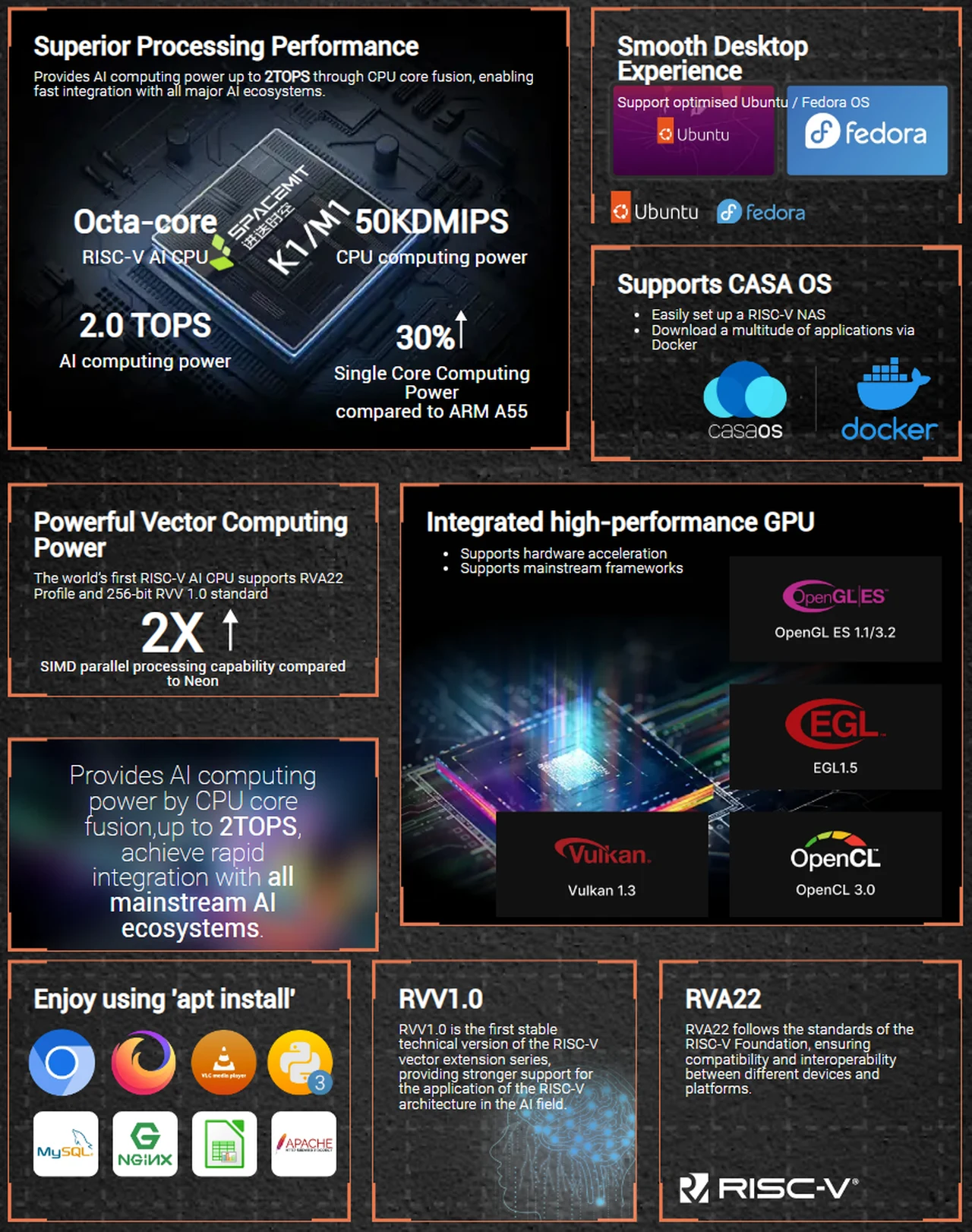
However, software support for RISC-V has seen considerable improvements, and stability is also on the rise, making the platform more reliable for development purposes. While compatibility issues still exist, such as challenges when running certain software or integrating specific hardware components, the RISC-V community is actively working to address these concerns.
RISC-V for Developers: Opportunities and Use Cases

Here are a selection of other articles from our extensive library of content you may find of interest on the subject of RISC-V :
RISC-V is primarily targeted at developers rather than mainstream consumers. For developers, RISC-V offers a unique opportunity to work with an open-source instruction set, which can be particularly appealing for educational and experimental purposes. Building and testing software on RISC-V can provide valuable insights and contribute to the architecture’s growth.
Building a RISC-V PC is feasible but requires patience and workarounds. Some hardware features, like fan headers, could be improved to enhance the overall user experience. However, with the right approach and a willingness to navigate these challenges, developers can successfully build a functional RISC-V system.
Cost and Community: Driving Adoption
One of the key factors driving interest in RISC-V is its affordability. The Jupiter board, for example, is priced competitively, with the base model costing just $60. This low cost makes RISC-V an attractive option for developers and hobbyists who want to explore new architectures without a significant financial investment.
Moreover, the developer community around RISC-V is growing steadily. This increasing interest and support are crucial for the architecture’s development and adoption. While RISC-V’s ecosystem is still in its early stages compared to ARM’s, it shows significant potential for growth as more developers embrace the platform.
Future Prospects and Mainstream Adoption
Looking ahead, RISC-V has the potential to compete with x86 and ARM architectures. Increased involvement from board manufacturers in software development could accelerate this process, making RISC-V a more viable option for a wider range of applications.
Geopolitical factors and focused development efforts could also play a role in accelerating RISC-V’s mainstream adoption. Unlike ARM, which faces various licensing and geopolitical challenges, RISC-V’s open-source nature makes it a more flexible and potentially more widely adopted architecture in the future.
While RISC-V is not yet ready for mainstream consumer use, its future prospects are promising, especially as the ecosystem continues to mature. As software support and hardware features continue to improve, RISC-V could become a viable alternative to x86 and ARM architectures, particularly for developers and educational purposes.
The RISC-V architecture is ushering in a new era for the PC industry. Despite current performance limitations, the evolving ecosystem, competitive pricing, and growing community support make RISC-V a promising contender. As the platform continues to mature, it has the potential to reshape the landscape of computing, offering a more open and accessible alternative to established architectures.
Video Credit: Jeff Geerling
Latest viraltrendingcontent Gadgets Deals
Disclosure: Some of our articles include affiliate links. If you buy something through one of these links, viraltrendingcontent Gadgets may earn an affiliate commission. Learn about our Disclosure Policy.


