




Summary created by Smart Answers AI
In summary:
- Tech Advisor highlights that WearOS 7 emerged as an unexpected standout at Google I/O 2026, introducing standardized workout tracking and improved third-party app integration for heart rate monitoring and media controls.
- The platform promises up to 10% better battery life compared to Wear OS 6, positioning Google’s smartwatch system as a stronger competitor in the wearable market.
- Developers can currently test applications using the Wear OS 7 Canary Emulator, with the full platform expected to roll out to compatible smartwatches later this year.
With all the news surrounding Android 17 at Google I/O, not to mention the company’s all-consuming Gemini AI ambitions, it’s easy to forget about WearOS 7.
It feels as if Google’s smartwatch platform has been slowly percolating in the background while its showier big brothers (and the company’s class-leading AI assistant) suck up all the attention.

However, Google I/O 2026 has just given us reason to give WearOS its flowers.
Over on the Android Developers Blog, Google engineer John Zoeller runs us through some key improvements that could make WearOS 7 the best smartwatch platform in the business – if it isn’t already.
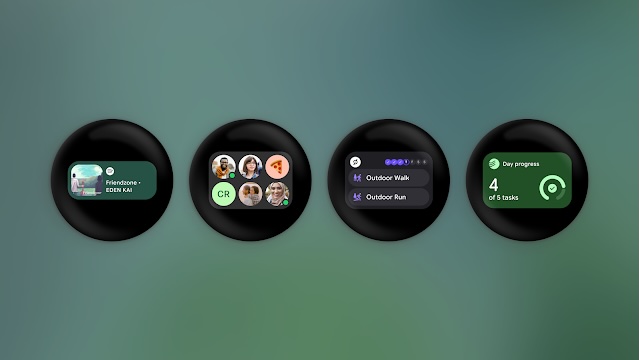
Screen-filling Tiles have been at the heart of the WearOS experience for some time now, essentially making widgets the central focus.
In WearOS 7, Google appears to be bringing the approach more in line with the wider Android platform, with a more flexible and dynamic style. There are now two sizes for these widgets – 2×1 and 2×2 – which is more in keeping with those of Android smartphones.
Live updates
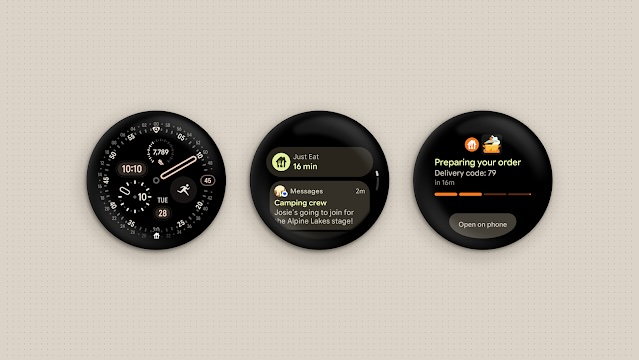
Keeping with the concept of making WearOS more like Android, WearOS 7 brings across Android 16’s Live Updates. These can surface real-time information in a glanceable format – think real-time progress indicators for your food order, right there on your watch.
Workouts are about to get better
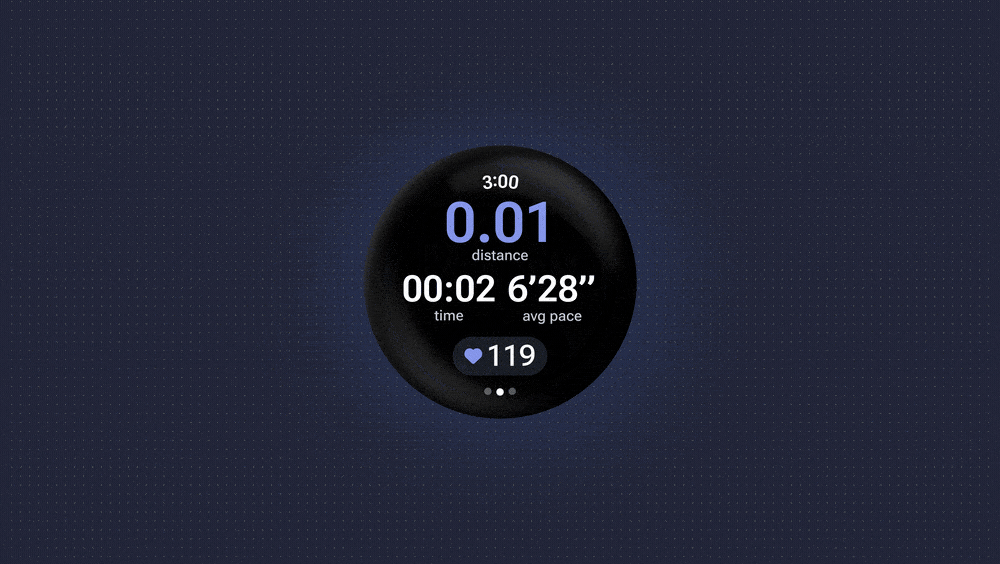
Expect to see an improved third-party workout app experience on your Android Wear watch following the rollout of WearOS 7. Google has built a standardised Wear Workout Tracker experience that can be used by any third-party workout app, incorporating heart rate monitoring, media controls and other features that should take the sting out of developing such smartwatch apps.
Google mentions that it’s already been working with Asics Runkeeper to make use of its new provision.
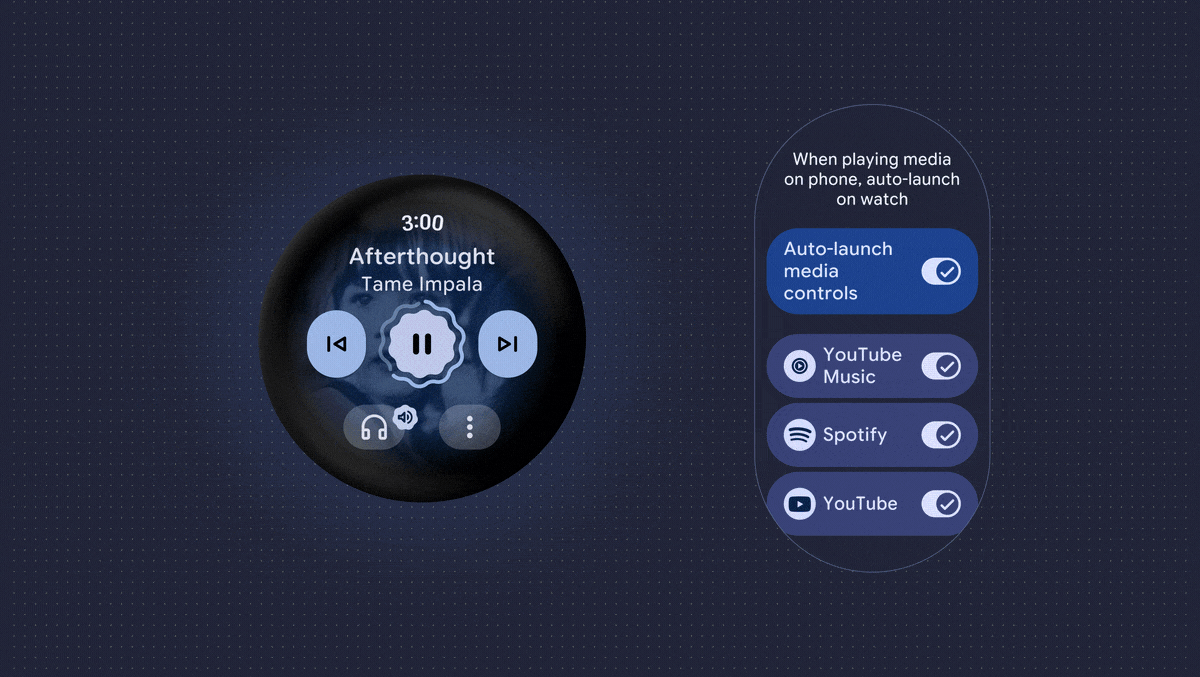
Google is introducing the ability to select which media controls automatically appear when a media app is opened. It’s also adding the ability to change where audio is pushed to when you play media from your paired phone – whether that’s your headphones, your home cinema set-up, a smart speaker or a connected stereo system.
Longer battery life
Then there’s the cherry on top. Users can expect a big battery life boost. How big? Google estimates: “For watches upgrading from Wear OS 6 to Wear OS 7, average users can expect up to 10% improvement in battery life.” It’s possible that the words “up to” are doing a lot of heavy lifting there but if it holds true in real life, this could be an important enhancement for users.
Developers can now test out their apps on WearOS 7 using the Wear OS 7 Canary Emulator, while the platform itself will roll out to compatible smartwatches later this year.


